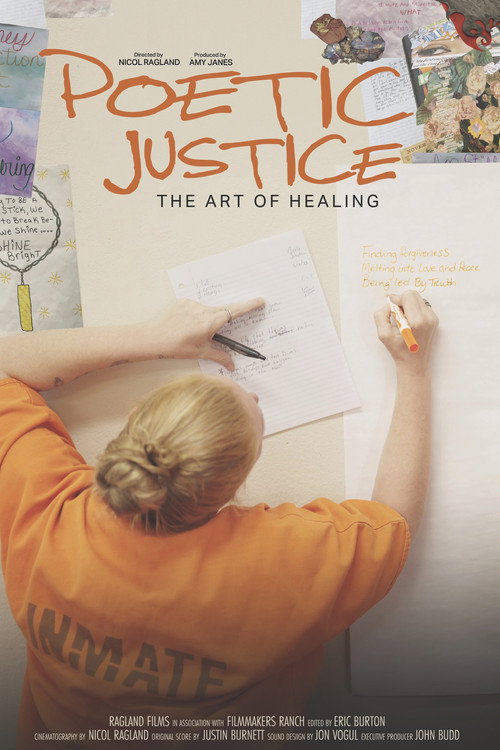
| ⭐ Rating | 0.0/10 | 📅 Year | 2026 |
| ⏱ Runtime | 32m | 🎭 Genre | Documentary |
| 🎬 Director | Nicol Ragland | 🎭 Cast |
Introduction
In a world often overshadowed by pain and injustice, “Poetic Justice: The Art of Healing” (2026) emerges as a profound exploration of the human spirit’s resilience. This documentary, directed by Nicol Ragland, delves into the transformative power of creativity and human connection, offering a ray of hope through the lens of poetry, art, and storytelling.
Story Overview
“Poetic Justice: The Art of Healing” is a poignant documentary that unravels the stories of individuals who have found solace and strength in creative expression. The film centers on a diverse group of people, each carrying their own unique burdens of trauma, loss, and struggle. Through intimate interviews and evocative performances, the documentary showcases how these individuals use poetry, art, and storytelling to process their pain, reclaim their narratives, and forge paths toward healing. The film weaves together these personal stories with insights from therapists, artists, and community leaders, emphasizing the universal power of creative expression as a tool for resilience and justice.
Direction & Screenplay
Nicol Ragland’s direction is both sensitive and insightful, capturing the raw authenticity of each subject’s experience. The documentary is structured in a way that allows the narratives to unfold naturally, creating a sense of intimacy and immediacy. The screenplay, while not complex in the traditional sense, is masterfully crafted to highlight the emotional depth and resilience of the subjects. Ragland’s approach is documentary perfection, where the camera and editing serve to amplify the subjects’ voices rather than overshadow them.
Performances
The true stars of “Poetic Justice: The Art of Healing” are the individuals whose stories are told. Each participant brings a authenticity and vulnerability that is deeply moving. Standout moments include a young poet who finds her voice after surviving domestic abuse, an artist who channels his grief over the loss of a loved one into powerful murals, and a community leader who has dedicated her life to supporting others through their healing journeys. The emotional honesty and strength of these performances make the film a powerful and unforgettable experience.
Music & Cinematography
The cinematography in “Poetic Justice: The Art of Healing” is visually stunning, with a keen eye for capturing the nuances of emotion and the beauty of creative expression. The camera work is both intimate and expansive, elegantly transitioning between close-ups of faces and wide shots of artistic creations. The background score is subtly beautiful, enhancing the emotional resonance of the film without overpowering the narratives. Together, the visuals and music create a harmonious and immersive experience that underscores the themes of the documentary.
Verdict
“Poetic Justice: The Art of Healing” is a deeply moving and essential documentary that shines a light on the healing power of creativity and human connection. Director Nicol Ragland has crafted a film that is both intimate and universal, offering a powerful reminder of the strength that lies within us all. This documentary is a must-watch for anyone interested in the intersection of art, healing, and social justice. It is a testament to the resilience of the human spirit and the transformative potential of creative expression. Rating: 8/10