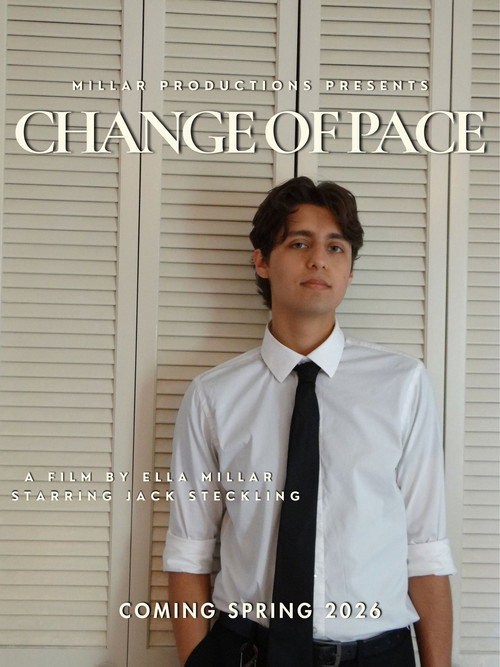
| ⭐ Rating | 0.0/10 | 📅 Year | 2026 |
| ⏱ Runtime | 4m | 🎭 Genre | Drama | Comedy |
| 🎬 Director | Ella Millar | 🎭 Cast | Jack Steckling |
Introduction
In a world where monotony can often feel like a silent antagonist, “Change of Pace” (2026) offers a poignant and humorous glimpse into the life of Jack, a young professional ensnared by the relentless grind of his daily routine. This 4-minute drama-comedy, directed by Ella Millar, is a testament to the power of small changes and the human spirit’s resilience.
Story Overview
“Change of Pace” follows Jack, played by Jack Steckling, a young professional whose life is a repetitive cycle of waking up, commuting, and working, all while his energy and sense of purpose slowly ebb away. Each morning is a carbon copy of the last, with Jack’s movements becoming increasingly mechanical and devoid of emotion. However, as the film progresses, subtle moments of awareness begin to permeate his routine. These small epiphanies spark a gradual transformation, leading Jack to make subtle yet meaningful changes. From taking a different route to work to engaging more with his surroundings, these minor shifts start to rekindle his sense of purpose and energy. The film ends on a hopeful note, suggesting that even the most mundane lives can be revitalized through small acts of self-awareness and intention.
Direction & Screenplay
Ella Millar’s direction is both succinct and potent, making the most of the film’s 4-minute runtime. The pacing is impeccable, allowing the audience to feel the weight of Jack’s routine while also capturing the subtle shifts in his demeanor. The screenplay, though brief, is rich in subtext, using minimal dialogue to convey Jack’s internal struggle and gradual awakening. Millar’s use of visual metaphors, such as the repetitive bus ride and the desolate office, effectively underscores the theme of monotony and the psychological toll it takes.
Performances
Jack Steckling delivers a nuanced and compelling performance as Jack. His ability to convey a range of emotions without saying much is particularly noteworthy. Steckling’s facial expressions and body language transition seamlessly from the initial state of robotic indifference to the gradual reawakening of his spirit. His portrayal of the subtle moments of awareness is both believable and touching, making Jack a relatable and sympathetic character. The supporting cast, while limited, adds to the film’s authenticity, with each encounter serving to highlight Jack’s journey.
Music & Cinematography
The background score, composed by an unnamed artist, is a subdued yet effective accompaniment to the visual narrative. It subtly enhances the emotional undertones of each scene, from the melancholic tunes that underscore Jack’s daily grind to the more hopeful melodies that accompany his moments of realization. The cinematography, handled by Millar herself, is both sharp and atmospheric. The use of muted colors and soft lighting in the early scenes effectively captures the dullness of Jack’s routine, while the gradual introduction of brighter hues mirrors his internal transformation.
Verdict
“Change of Pace” is a concise yet powerful short film that resonates on multiple levels. Despite its brevity, it manages to delve deep into the human experience of monotony and the quest for meaning. Jack Steckling’s performance is a standout, and Ella Millar’s direction and screenplay are both thoughtful and impactful. This film is an excellent watch for anyone who has ever felt trapped in a routine and is looking for a reminder that even the smallest changes can make a significant difference. Rating: 7/10