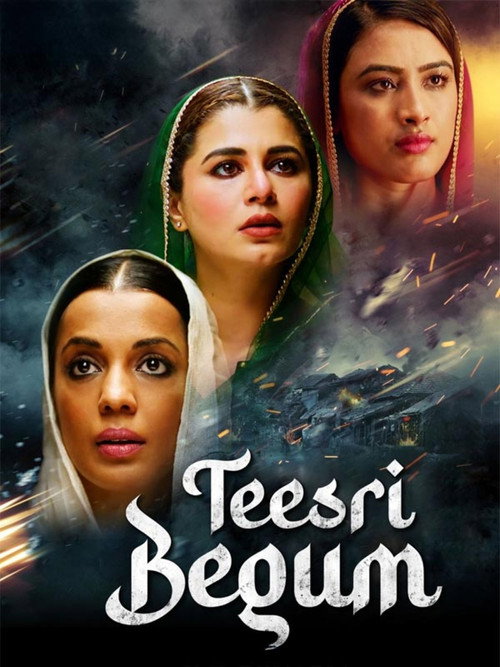
| ⭐ Rating | 0.0/10 | 📅 Year | 2026 |
| ⏱ Runtime | 1h 52m | 🎭 Genre | Drama |
| 🎬 Director | N/A | 🎭 Cast |
Introduction
In the realm of Indian cinema, “Teesri Begum” (2026) is a gripping drama that delves into the dark underbelly of a polygamous household. Despite its low TMDB rating, the film offers a compelling narrative and standout performances that challenge the viewer to reflect on the complexities of power, identity, and resilience.
Story Overview
“Teesri Begum” follows the life of Pooja Dixit, a young woman who is deceived into marrying Babban Khan, only to discover that he already has two other wives. Renamed “Nagma” by her manipulative husband, she finds herself trapped in a toxic and oppressive environment. Her world is further shattered when her father dies of grief upon learning of her marital situation. Determined to reclaim her life, Nagma joins forces with her co-wives, Tabassum and Shabana, to navigate the treacherous waters of their shared predicament. The film is a poignant exploration of female solidarity and the strength found in unity.
Direction & Screenplay
The direction of “Teesri Begum” is marked by a deliberate and methodical approach, often focusing on the subtle nuances of the characters’ emotions and the claustrophobic atmosphere of their household. The screenplay, while not without its flaws, effectively captures the psychological tension and emotional turmoil experienced by the protagonists. The dialogue, though sometimes heavy-handed, manages to convey the deep-seated issues of gender inequality and the systemic oppression faced by the female characters. The film’s pacing is generally steady, allowing for a gradual build-up of tension and a series of well-crafted character moments.
Performances
The cast of “Teesri Begum” delivers powerhouse performances that elevate the material. Pooja Dixit, as Nagma, brings a raw and unfiltered authenticity to her role, capturing the full spectrum of her character’s emotional journey from naivety to empowerment. Babban Khan’s portrayal of the domineering husband is chillingly realistic, highlighting the insidious nature of his control. Tabassum and Shabana, played by experienced actors, provide strong support, each bringing a unique dimension to their characters. Their performances are nuanced and heartfelt, making the audience empathize with their struggles and triumphs. The chemistry between the actresses is palpable, and their on-screen camaraderie is one of the film’s standout elements.
Music & Cinematography
The background score of “Teesri Begum” is atmospheric and evocative, adeptly underscoring the emotional cadence of the narrative. The visuals, courtesy of the cinematography, are stark and often haunting, emphasizing the oppressive nature of the household. The use of lighting and color is particularly effective in creating a sense of confinement and gradual liberation. The camera work is intimate and immersive, placing the viewer squarely in the characters’ world and heightening the emotional impact of key scenes.
Verdict
Despite its low rating on TMDB, “Teesri Begum” is a deeply moving and thought-provoking drama that deserves a place in the canon of Indian cinema. The film’s strengths lie in its powerful performances, compelling narrative, and the nuanced exploration of themes relevant to contemporary society. While the screenplay and direction have room for improvement, the overall impact is undeniable. Fans of intense, character-driven dramas and those interested in stories of female empowerment will find much to appreciate in “Teesri Begum.” I would rate the film 7.5 out of 10.