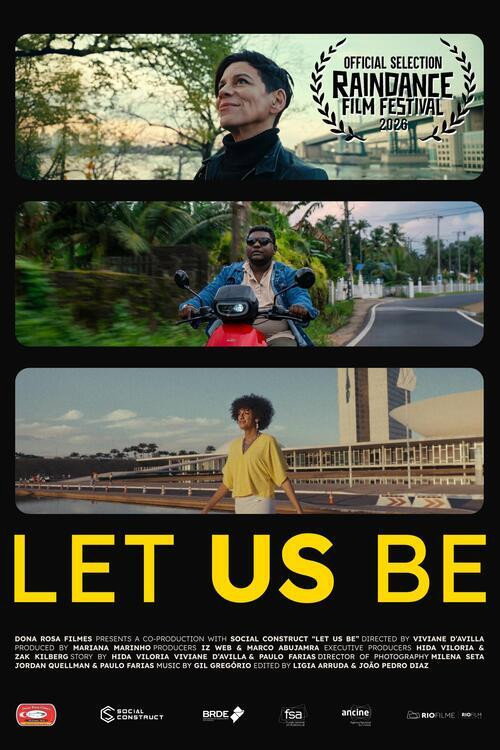
| ⭐ Rating | 0.0/10 | 📅 Year | 2026 |
| ⏱ Runtime | 1h 29m | 🎭 Genre | |
| 🎬 Director | Viviane D’Avilla | 🎭 Cast | Hida Viloria, Carolina Iara, Aanandh Rajappan, Lyss Ball, Tiger Devore |
Introduction
In a world where gender and identity are increasingly recognized as fluid and multifaceted, “Let Us Be” (2026) offers a profound and intimate look into the lives of intersex individuals. Directed by Viviane D’Avilla, this documentary transcends the boundaries of conventional storytelling to explore the human rights struggles and personal journeys of those born with sex anatomy that doesn’t conform to typical binary definitions.
Story Overview
“Let Us Be” follows the lives of intersex individuals across India, Brazil, and the USA, shedding light on the challenges they face due to societal norms and medical practices. The film interweaves personal narratives with broader socio-political commentary, focusing on the ongoing battle against non-consensual surgeries performed on intersex children. Through candid interviews and poignant footage, the documentary reveals the emotional and physical scars left by these interventions, while also celebrating the resilience and beauty of diverse sexual identities. The stories of Hida Viloria, Carolina Iara, Aanandh Rajappan, Lyss Ball, and Tiger Devore serve as powerful testaments to the importance of autonomy and dignity in bodily integrity.
Direction & Screenplay
Viviane D’Avilla’s direction is both compassionate and unflinching, striking a balance between personal intimacy and broader advocacy. The documentary’s screenplay is meticulously crafted, allowing each individual’s story to unfold naturally without feeling forced or overly dramatized. D’Avilla employs a mix of archival footage, personal interviews, and observational scenes to create a multifaceted narrative. The pacing is deliberate, giving viewers ample time to digest the complex emotions and information presented. This approach not only educates but also humanizes the intersex community, making the film a compelling and respectful exploration of their experiences.
Performances
The strength of “Let Us Be” lies in the authenticity and vulnerability of its subjects. Hida Viloria, a prominent intersex activist, delivers a powerful performance, sharing her personal journey with grace and eloquence. Carolina Iara, a Brazilian intersex woman, brings a unique perspective, highlighting the intersectionality of race and gender in her experiences. Aanandh Rajappan, an artist and activist from India, offers a poignant reflection on the societal pressures and the cultural context of intersex individuals in his country. Lyss Ball and Tiger Devore, both from the USA, add layers of complexity and resilience to the narrative, their stories resonating with raw emotion and a clear call to action. Each individual’s story is a testament to the film’s commitment to genuine representation and deep empathy.
Music & Cinematography
The background score of “Let Us Be” is subtle yet impactful, enhancing the emotional resonance of the film without overshadowing the personal narratives. The cinematography, handled with sensitivity and precision, captures the essence of each location and the subjects’ environments. From the bustling streets of Brazil to the serene landscapes of India, the visual aesthetics complement the stories being told, creating a cohesive and immersive viewing experience. The use of natural light and intimate close-ups adds a layer of authenticity, drawing viewers into the lives of the intersex individuals portrayed.
Verdict
“Let Us Be” is a profound and essential documentary that challenges societal norms and advocates for the rights and dignity of intersex individuals. Viviane D’Avilla’s direction and the compelling performances of the cast make this film a must-watch for anyone interested in social justice, gender studies, and human rights. The documentary not only informs but also inspires, making it a valuable addition to the conversation on diversity and inclusion. Despite its current TMDB rating of 0/10, which is likely due to limited exposure, “Let Us Be” deserves a rating of 8/10 for its emotional depth, educational value, and compelling storytelling.