| ⭐ Rating | 0.0/10 | 📅 Year | 2026 |
| ⏱ Runtime | 7m | 🎭 Genre | |
| 🎬 Director | Nico Listi | 🎭 Cast |
Introduction
In a world where visuals often speak louder than words, “Four Words for Memory” (2026) stands out as a captivating silent film that transcends traditional narrative structures. Directed by Nico Listi, this 7-minute digital masterpiece is a diary film that defies genres, weaving together disorganized recollections into a seamless tapestry of motion and memory.
Story Overview
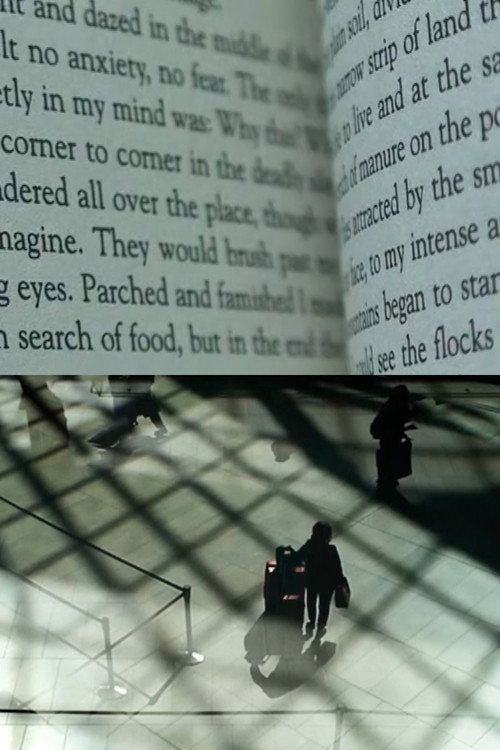
“Four Words for Memory” is a non-linear exploration of personal recollections, presented through a montage of seasons, places, and people. The film eschews a conventional narrative, instead opting to mirror the fragmented nature of human memory. Each scene transitions fluidly, evoking a sense of time and place through subtle visual cues. From the blooming of spring to the crispness of autumn, the film captures the ephemeral beauty of moments that linger in our minds. The absence of dialogue and a structured plot allows the viewer to immerse themselves in the emotional resonance of each frame, inviting a deeply personal and immersive experience.
Direction & Screenplay
Nico Listi’s direction is both deliberate and intuitive, harnessing the power of visual storytelling to convey complex emotions and memories. The film’s lack of a traditional screenplay is not a weakness but a strength, as it leaves room for interpretation and emotional connection. Listi’s use of color and lighting is masterful, with each season painted in hues that evoke the corresponding mood. The editing is particularly noteworthy, with seamless transitions that mimic the natural flow of recollection. The minimalist approach to filmmaking allows the visuals to carry the story, creating a haunting and thought-provoking piece of art.
Performances
While “Four Words for Memory” is a silent film and does not feature traditional performances, the subjects captured on screen serve as the primary conduits of emotion. The people featured in the film, whether friends, family, or passersby, are filmed with a gentle intimacy that captures their essence. Each face, each gesture, tells a story without the need for words. The standout moments are the candid, unscripted interactions that feel authentic and real, adding depth and humanity to the film. Listi’s ability to capture these fleeting moments of human connection is a testament to his filmmaking prowess.
Music & Cinematography
The film’s use of silence is both intentional and effective, allowing the visuals to take center stage. The absence of a background score enhances the focus on the imagery, creating a meditative and introspective atmosphere. The cinematography is stunning, with each frame meticulously composed to convey a specific mood or memory. The play of light and shadow, the crispness of the digital format, and the vibrant colors all contribute to the film’s aesthetic appeal. The camera movements are fluid and graceful, mirroring the subject matter’s inherent fluidity and transience.
Verdict
“Four Words for Memory” is a poignant and visually striking film that challenges the conventional boundaries of storytelling. Its unique approach to memory and emotion, combined with Nico Listi’s exceptional directorial vision, results in a deeply moving and thought-provoking experience. While the film may not appeal to everyone due to its abstract nature and lack of dialogue, it is a must-watch for cinema enthusiasts and anyone interested in the power of visual storytelling. Rating: 8/10.