| ⭐ Rating | 0.0/10 | 📅 Year | 2026 |
| ⏱ Runtime | 11m | 🎭 Genre | Documentary |
| 🎬 Director | Li Chiao-Ping | 🎭 Cast | Elisabeth Roskopf |
Introduction
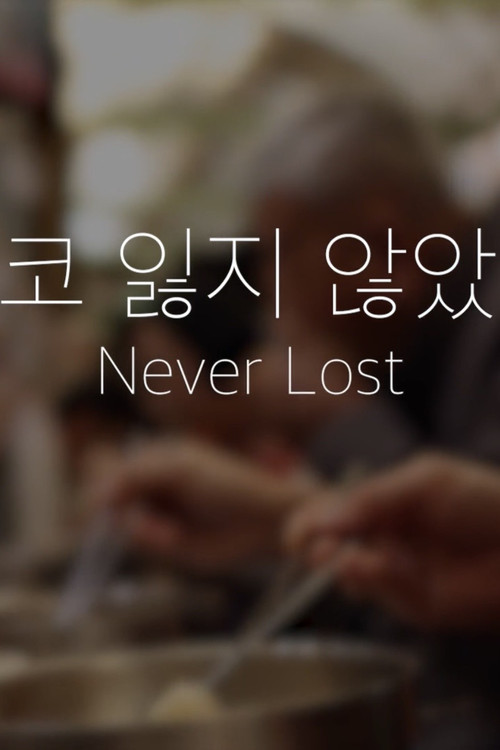
“Never Lost (결코 잃지 않았다),” a 2026 documentary by Li Chiao-Ping, is a poignant and deeply personal exploration of identity and heritage. This 11-minute dance film captures dancer and adoptee Elisabeth Roskopf’s first journey to South Korea, her birthplace, through her unscripted narration and evocative choreography. A poetic journey through landscapes and emotions, “Never Lost” is a profound meditation on reclaiming one’s roots.
Story Overview
“Never Lost” is a documentary that follows Elisabeth Roskopf as she embarks on her first trip to South Korea, the country of her birth. Adopted as a child, Roskopf’s journey is both a physical and emotional return to a place she has never known. The film is a blend of personal unscripted narration and choreographed dance, capturing Roskopf’s internal struggles and her connection to the landscapes she encounters. Through dance, she explores themes of loss, identity, and the search for belonging. The documentary intersperses these moments with poetic shots of South Korean landscapes, creating a visual and emotional tapestry that resonates with anyone who has ever felt disconnected from their roots.
Direction & Screenplay
Director Li Chiao-Ping masterfully weaves together Roskopf’s personal narrative with her choreography, creating a seamless and deeply affecting film. The direction is both intimate and expansive, allowing the viewer to feel the weight of Roskopf’s emotions while also appreciating the broader cultural and historical context. The unscripted narration adds a layer of authenticity, making the film feel like a genuine and personal account rather than a staged production. Li Chiao-Ping’s direction is subtle yet powerful, highlighting the nuances of Roskopf’s journey without overemphasizing any single aspect.
Performances
Elisabeth Roskopf’s performance is the heart and soul of “Never Lost.” Her unscripted narration is raw and honest, providing a window into her inner world. The way she conveys her feelings through dance is particularly compelling, as each movement seems to carry a story of its own. Her performance is both a physical and emotional odyssey, and her vulnerability and strength shine through in every frame. Roskopf’s ability to convey complex emotions through dance is a testament to her skill as a performer and her deep connection to the material. Her journey is one that resonates on a universal level, making her performance both deeply personal and relatable.
Music & Cinematography
The music in “Never Lost” is understated yet impactful, providing a subtle emotional backdrop that enhances the film’s atmosphere. The score complements the visuals and dance sequences without overpowering them, creating a harmonious union of sound and image. Cinematographer Christal Wagner’s work is nothing short of breathtaking. The landscapes of South Korea are captured with a poetic eye, from bustling cityscapes to serene rural settings. The camera work is fluid and dynamic, capturing the essence of Roskopf’s movements and the environments she navigates. The combination of Wagner’s cinematography and Li Chiao-Ping’s direction results in a visually stunning and emotionally resonant film.
Verdict
“Never Lost (결코 잃지 않았다)” is a beautiful and moving documentary that offers a profound exploration of identity and belonging. While its short runtime of 11 minutes might seem brief, it is packed with emotional depth and artistic merit. Elisabeth Roskopf’s performance and the direction by Li Chiao-Ping create a powerful and authentic narrative that will resonate with anyone who has ever felt a disconnect from their heritage. This film is a must-watch for those interested in dance, documentary filmmaking, and stories of personal discovery. Despite its current TMDB rating of 0/10, “Never Lost” deserves recognition for its artistic and emotional integrity. I rate it 8/10.