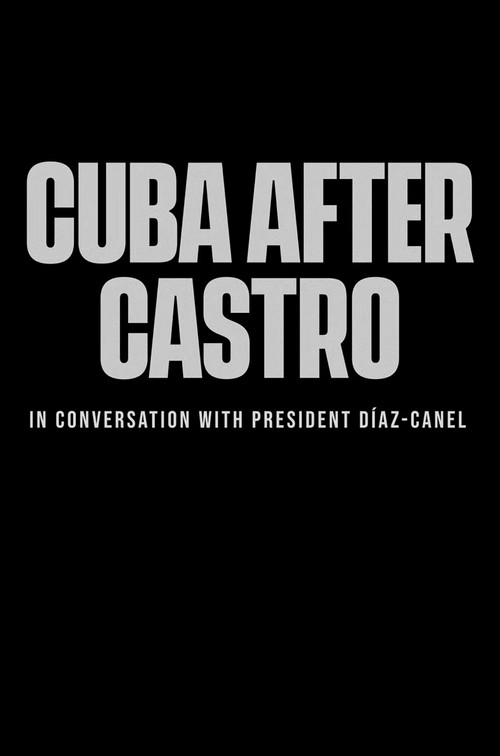
| ⭐ Rating | 0.0/10 | 📅 Year | 2026 |
| ⏱ Runtime | N/A | 🎭 Genre | Documentary |
| 🎬 Director | Abby Martin | 🎭 Cast | Miguel Díaz-Canel |
Introduction
In the wake of a transformative political era, “Cuba After Castro” (2026) offers a compelling documentary that delves into the heart of Cuba’s revolutionary spirit and its current trajectory under President Miguel Díaz-Canel. Directed by Abby Martin, this film is a vital exploration of a nation on the cusp of change.
Story Overview
“Cuba After Castro” is a meticulously crafted documentary that provides the first and only American interview with President Miguel Díaz-Canel. The film navigates through Cuba’s rich revolutionary history, from the rise of Fidel Castro to the present day, while also highlighting the island’s current challenges and the man tasked with guiding its future. Martin’s camera captures the essence of Cuban life, from the bustling streets of Havana to the quiet rural towns, showcasing the diverse perspectives of ordinary Cubans and key political figures. The documentary explores themes of resilience, political upheaval, and the enduring legacy of the Cuban Revolution, all while providing a nuanced look at Díaz-Canel’s leadership and the country’s prospects for reform.
Direction & Screenplay
Abby Martin’s direction is both intimate and expansive, seamlessly blending historical footage with contemporary interviews. Her style is characterized by a deep respect for the subject matter and a relentless pursuit of truth. The screenplay, co-written by Martin and her team, is well-researched and thoughtfully structured, allowing the narrative to flow naturally from the past to the present. The film’s pacing is deliberate, giving viewers ample time to absorb the complex layers of Cuban history and politics. Martin’s use of archival materials and on-the-ground reporting adds a layer of authenticity that enhances the documentary’s impact.
Performances
The standout performance in “Cuba After Castro” is undoubtedly that of President Miguel Díaz-Canel himself. In his first-ever American interview, Díaz-Canel is candid and articulate, offering a rare glimpse into his leadership philosophy and the challenges he faces. His responses are both compelling and enlightening, providing a balanced view of Cuba’s current political landscape. The documentary also features a range of Cuban citizens, from artists and activists to everyday workers, each bringing a unique perspective to the narrative. These individuals add a human element to the story, making it relatable and emotionally resonant. Martin’s ability to extract candid and insightful interviews from her subjects is a testament to her skill as a filmmaker.
Music & Cinematography
The background score of “Cuba After Castro” is a blend of traditional Cuban music and contemporary compositions, effectively setting the mood and enhancing the emotional depth of the film. The cinematography is stunning, with sweeping shots of Havana’s iconic architecture and hauntingly beautiful landscapes that capture the soul of the island. The visual aesthetics are complemented by the film’s use of color and lighting, which evoke the vibrant and sometimes gritty reality of life in Cuba. The combination of music and visuals creates a immersive experience that draws viewers into the heart of the story.
Verdict
“Cuba After Castro” is a must-watch for anyone interested in the complex interplay of history, politics, and culture. Abby Martin’s documentary is a thoughtful and engaging exploration of Cuba’s past and present, anchored by President Díaz-Canel’s revealing interview and the powerful testimonials of the Cuban people. While the film’s subject matter is weighty, it is accessible and well-paced, making it a valuable resource for both scholars and general audiences. Despite its current TMDB rating, “Cuba After Castro” deserves a 7/10 for its insightful content and masterful execution. It is a film that not only informs but also inspires reflection on the ongoing story of Cuba.