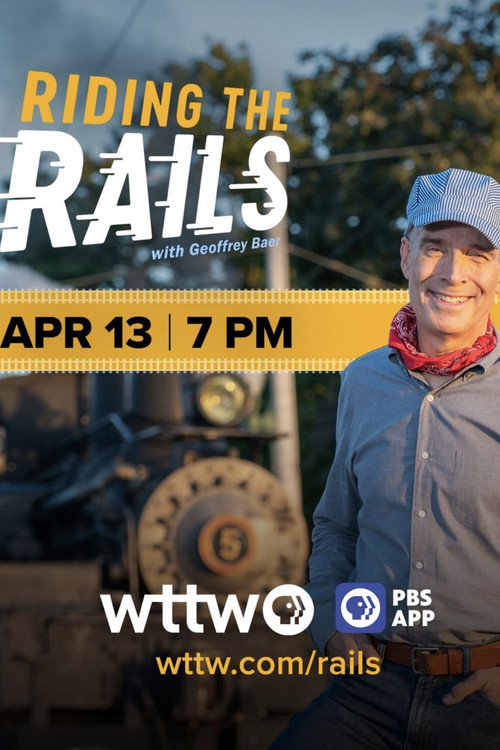
| ⭐ Rating | 0.0/10 | 📅 Year | 2026 |
| ⏱ Runtime | 50m | 🎭 Genre | Documentary |
| 🎬 Director | N/A | 🎭 Cast | Geoffrey Baer |
Introduction
In “Riding the Rails with Geoffrey Baer” (2026), a documentary that delves into the historical and contemporary significance of Chicago’s railways, lifelong train enthusiast Geoffrey Baer takes viewers on an engaging and informative journey through the city’s rail network. With a runtime of 50 minutes, this WTTW special offers a concise yet comprehensive look at how trains have shaped Chicago’s past and present.
Story Overview
“Riding the Rails with Geoffrey Baer” is a visually rich and narratively engaging documentary that explores the pivotal role of railways in Chicago. Geoffrey Baer, a well-known Chicago historian and television host, serves as both guide and narrator, taking viewers on a 50-minute journey through the city’s extensive rail system. The documentary begins by tracing the origins of Chicago’s railways, highlighting how the city became a hub for passenger and freight trains in the 19th and 20th centuries. Baer-hop aboard various types of trains, from historic passenger cars to modern commuter lines, and visits key locations such as Union Station, the Metra yards, and the Chicago Transit Authority’s maintenance facilities.
Throughout the documentary, Baer delves into the stories of the people who built and maintained the railways, including the entrepreneurs who envisioned the rail network and the workers who kept it running. He also examines the impact of railways on Chicago’s economy, urban development, and cultural landscape. The documentary doesn’t just look back in time; it also addresses the current state of Chicago’s rail system and its ongoing importance to the city’s functionality and future.
Direction & Screenplay
The documentary, while not attributed to a specific director, is well-crafted with a clear and concise narrative. The screenplay effectively balances historical context with contemporary relevance, making the content accessible and engaging for a wide audience. The pacing is steady, allowing for a thorough exploration of each topic without feeling rushed or overly detailed. The use of archival footage, photographs, and interviews with historians and rail workers adds depth and authenticity to the storytelling. The direction ensures that the visual elements complement the narrative, creating a cohesive and educational viewing experience.
Performances
Geoffrey Baer, the sole cast member, delivers a passionate and knowledgeable performance. His enthusiasm for trains and Chicago’s history is palpable, making him a compelling and relatable host. Baer’s ability to explain complex historical and technical concepts in layman’s terms is a standout feature of the documentary. He seamlessly transitions from discussing the engineering marvels of early railways to the social and economic impacts of modern rail systems. His on-screen presence is both educational and entertaining, making the documentary a pleasure to watch. Standout moments include his visits to the historic Union Station and his interactions with retired rail workers, who share personal anecdotes that add a human touch to the historical narrative.
Music & Cinematography
The background score of “Riding the Rails with Geoffrey Baer” is subtle yet effective, enhancing the mood and atmosphere of each scene without overpowering the narrative. The cinematography is crisp and well-composed, capturing the intricate details of the rail system and the city’s skyline. The use of drone footage and close-up shots of train operations provides a unique perspective and adds visual interest. The documentary’s visual elements, combined with the informative narration, create a cohesive and engaging viewing experience.
Verdict
“Riding the Rails with Geoffrey Baer” is a well-produced and informative documentary that offers a fascinating look at the historical and current significance of Chicago’s railways. Geoffrey Baer’s passionate and knowledgeable hosting, coupled with the documentary’s well-crafted direction and cinematography, makes it a compelling watch for anyone interested in Chicago’s history or the role of railways in urban development. While the 50-minute runtime is brief, it effectively covers a wealth of information and provides a comprehensive overview of the subject. This documentary is highly recommended for history buffs, train enthusiasts, and anyone curious about the hidden stories of Chicago’s rail network. Rating: 7/10.